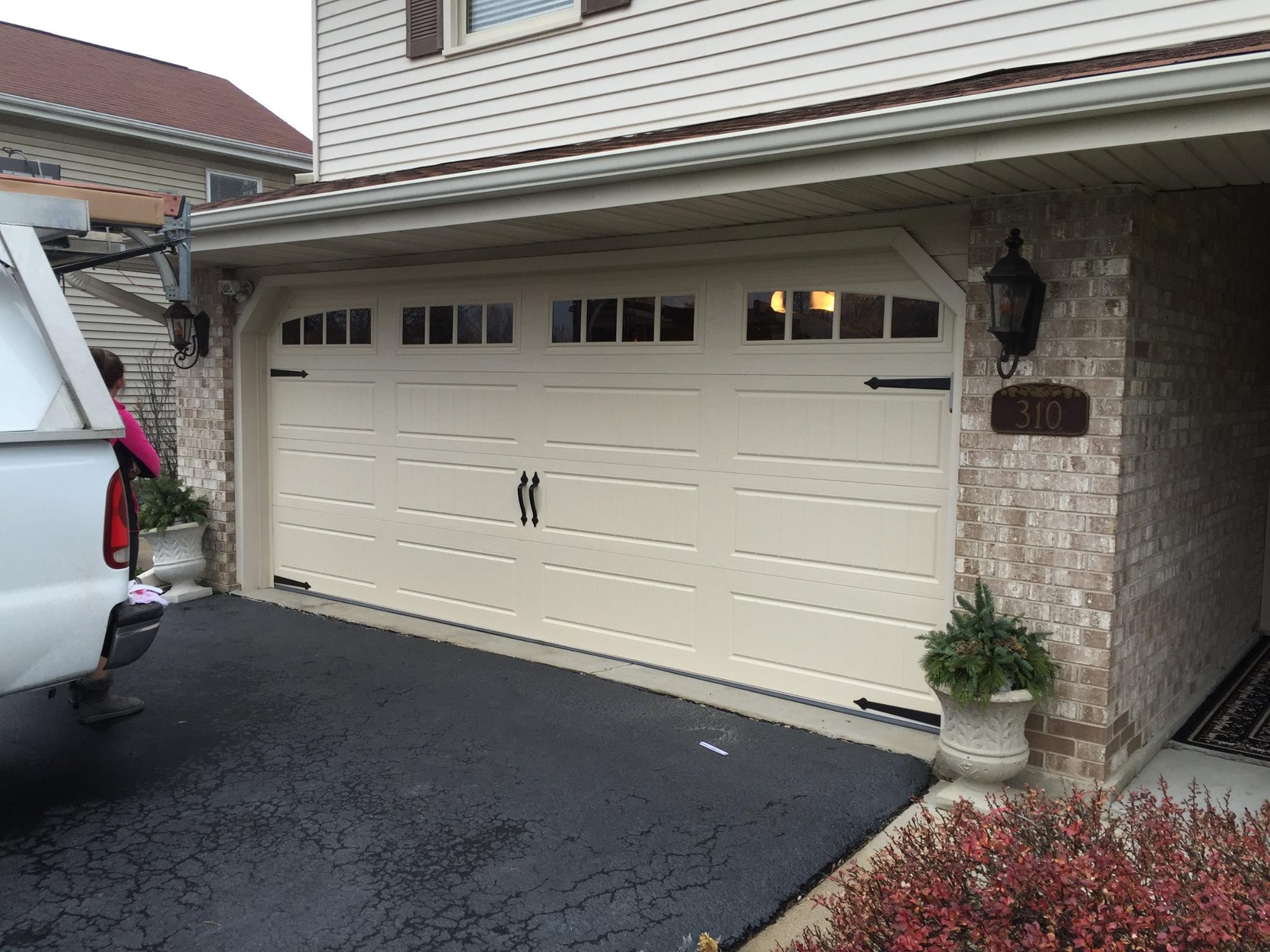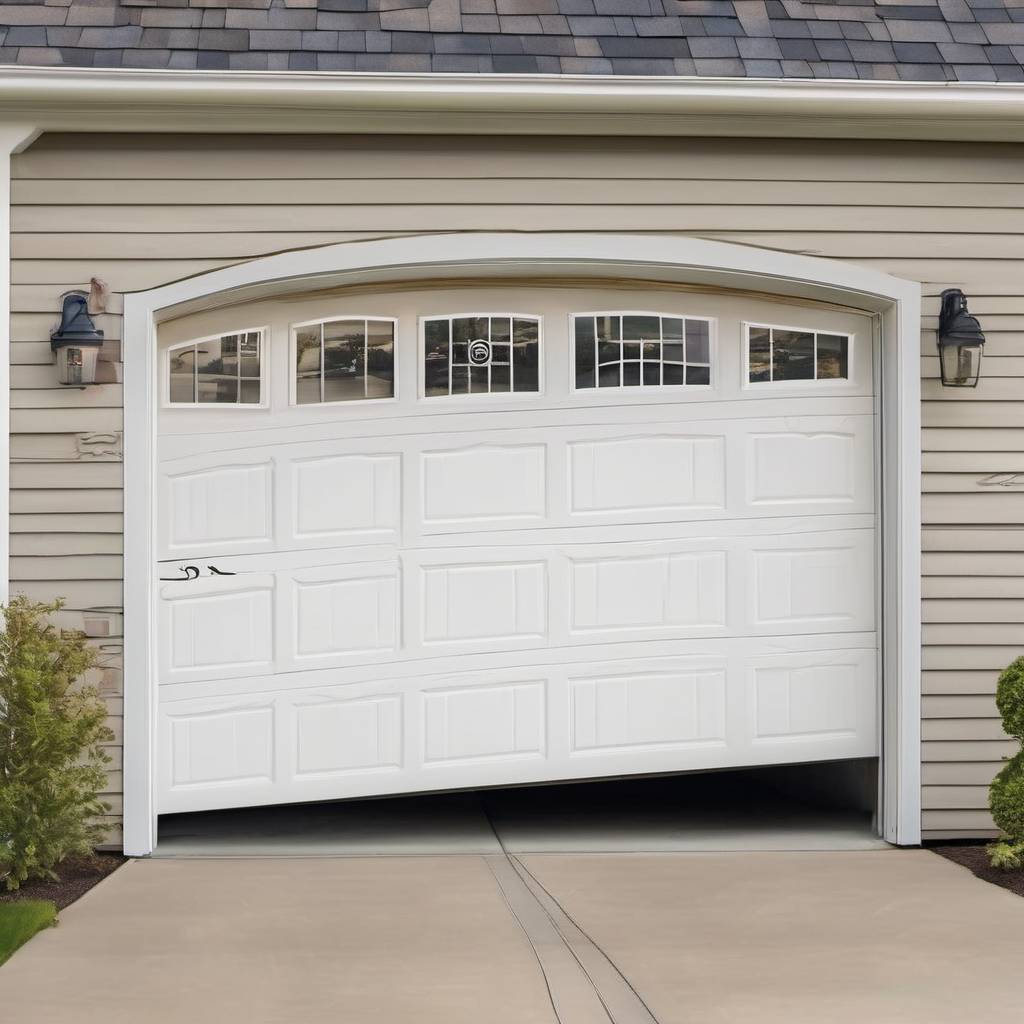
When your garage door is not closing or moving, it can stop your day fast. You press the remote, hear a click, maybe the opener light flashes, but the door stays put. Or it starts to close, then reverses. Or nothing happens at all. It’s frustrating, and it can also leave your home or business unsecured.
The good news is that many garage door problems follow a pattern. The issue may be with the safety sensors, opener, springs, cables, tracks, remote, wall button, or the door itself. Some problems are simple. Others are dangerous to handle without the right tools and experience.
OnTrac Garage Doors helps homeowners diagnose and fix garage doors that will not close, will not open, or will not move at all. If you need professional help, start with our garage door repair service.
Garage Door Not Closing: Start With the Safety Sensors
If your garage door starts to close and then reverses back up, the safety sensors are one of the first things to check. These sensors sit near the bottom of the garage door tracks, usually a few inches off the floor. They send an invisible beam across the opening. If something blocks that beam, the opener will not let the door close.
This is a common problem, and it does not always mean the sensors are broken. They may be bumped out of alignment, covered in dust, blocked by a trash can, or affected by sunlight at certain times of day.
Look for small indicator lights on each sensor. If one light is off, blinking, or dim, the sensors may not be lined up correctly. Try gently cleaning the lenses and making sure nothing is blocking the path. If the door still will not close, the wiring or sensor brackets may need attention.
Garage Door Not Moving: Check the Opener Power
If the garage door is not moving at all, start with power. It sounds basic, but it happens more often than people think. The opener may be unplugged, the outlet may have tripped, or a breaker may be off.
If the opener light does not turn on and there is no sound when you press the remote or wall button, the opener may not be getting power. Check the outlet and breaker first. If the opener has power but still does nothing, the problem could be inside the opener, with the wall control, or with the circuit board.
If the opener hums but the door does not move, stop trying to run it. That can point to a jammed door, broken spring, stripped gear, or a motor issue.
Garage Door Not Closing All the Way
A garage door that almost closes but stops short can be caused by several things. The opener travel limit may be set wrong, the floor may be uneven, the tracks may be dirty, or the door may be binding before it reaches the ground.
Sometimes the door touches the floor and then goes back up. That can happen when the opener thinks it hit an obstruction. The force setting may be off, or the bottom seal may be catching. It can also happen if the door is not balanced correctly.
This is where guessing can get expensive. If you keep adjusting the opener without fixing the actual cause, you can create more strain on the system.
Garage Door Will Not Open or Close With the Remote
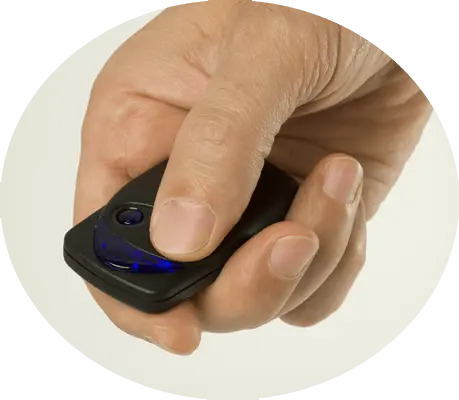
If the wall button works but the remote does not, the problem may be simple. The remote battery could be dead, the remote may need to be reprogrammed, or the opener antenna may not be receiving the signal.
If none of the remotes work, but the wall button does, the opener receiver may be the issue. If one remote works and another does not, the problem is probably with the individual remote.
Remote problems can also happen after a power outage, opener reset, or new remote purchase. Universal remotes do not work with every opener, even when the packaging makes it sound like they should.
Garage Door Not Moving Because of a Broken Spring
A broken spring is one of the most common reasons a garage door will not move. The opener is not designed to lift the full weight of the door by itself. The springs do most of the lifting. When a spring breaks, the door may feel extremely heavy or refuse to open.
Signs of a broken garage door spring include:
- A loud bang from the garage, the door only opening a few inches, a visible gap in the torsion spring, loose cables, the opener straining, or the door feeling too heavy to lift manually.
Do not keep pressing the opener button if you suspect a broken spring. You can burn out the opener or damage other parts. Spring repair is not a safe DIY project because the system is under high tension. For spring issues, visit our garage door spring replacement service.
Garage Door Not Closing Because the Tracks Are Misaligned
Garage door tracks guide the door as it opens and closes. If the tracks are bent, loose, dirty, or out of alignment, the door may stick, shake, reverse, or stop moving completely.
Track issues can happen after a door is hit by a car, a roller pops out, hardware loosens, or the door has been running off-balance for a while. You may notice scraping sounds, gaps between the rollers and track, or one side of the door moving differently than the other.
Do not force the door if it looks crooked. A door that is jammed or off-track can be dangerous, especially if the cables are loose or the springs are still under tension.
Garage Door Not Moving Because of Broken or Loose Cables
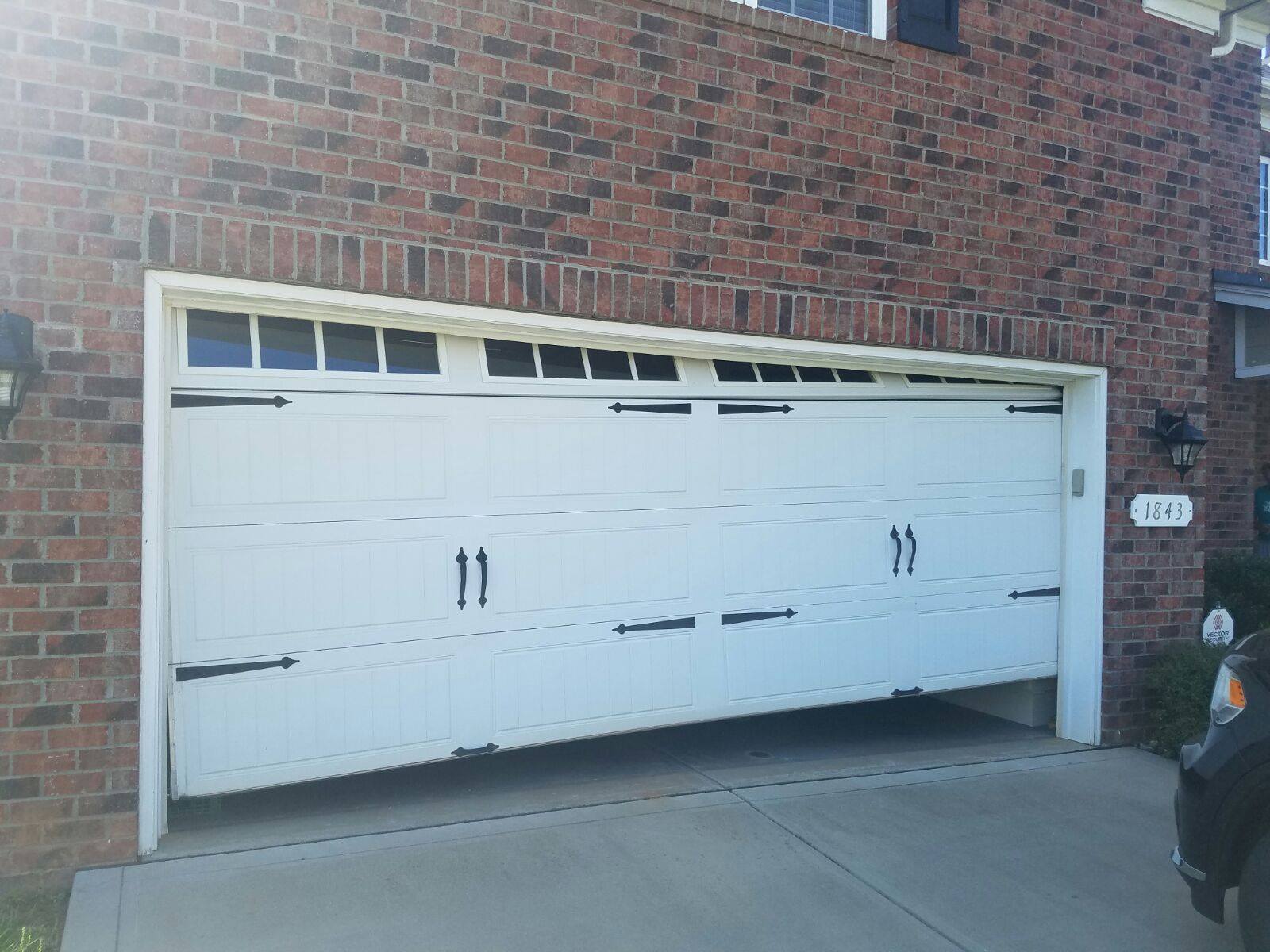
Garage door cables help lift the door evenly. When a cable breaks or slips off the drum, the door may sit crooked, jam in the track, or stop moving altogether.
Loose cables are often connected to another problem, like a broken spring or a door that came down unevenly. This is not something to ignore. A cable problem can make the door unstable, and forcing the opener can make the damage worse.
If your door is crooked, stuck halfway, or has cables hanging near the tracks, stop using it and call for service.
Garage Door Opener Runs But the Door Does Not Move
If the opener motor runs but the garage door does not move, the opener may be disconnected from the door. Check the emergency release cord. If someone pulled the red cord, the opener carriage may not be engaged.
You can usually reconnect it by running the opener until the carriage catches again, but only do this if the door is sitting normally and the springs are working. If the door feels heavy or uneven, do not reconnect the opener until the door is inspected.
Another possibility is a stripped gear inside the opener. In that case, you may hear the motor running, but the chain or belt may not move the door properly.
Garage Door Not Closing in Cold, Wet, or Humid Weather
Weather can make garage door problems more noticeable. Moisture can affect the tracks, rollers, seals, and sensors. Cold weather can make old grease stiff. Humidity can swell wood trim or affect worn hardware.
In North Carolina and South Carolina, heavy rain and humidity can also cause sensor issues, rusted parts, and worn weather seals. If your garage door only acts up during certain weather, that is an important clue.
A technician can check whether the issue is sensor-related, opener-related, or caused by friction in the door system.
Garage Door Not Moving After a Power Outage
After a power outage, your garage door opener may need to reset. The remote may stop working, the opener may lose settings, or the door may be disconnected from the opener if the emergency release was used.
First, confirm the opener has power. Then try the wall button. If the wall button works but the remote does not, the remote may need reprogramming. If the opener has power but will not run, there may be an internal opener problem.
Power surges can damage opener logic boards, especially during storms. If the opener stopped working right after an outage, that may be the reason.
When to Stop Troubleshooting a Garage Door That Will Not Close or Move
Basic checks are fine. You can look for blocked sensors, dead remote batteries, a tripped breaker, or something sitting in the path of the door. But there is a point where it is safer to stop.
Call a professional if the door is crooked, stuck halfway, has loose cables, feels extremely heavy, makes a loud bang, comes off track, or the opener strains without moving the door. These are signs that the issue may involve springs, cables, track alignment, or the opener motor.
Trying to force the door can turn a repairable problem into a more expensive one.
Schedule Garage Door Repair When Your Garage Door Is Not Closing or Moving
A garage door that will not close or move is more than an inconvenience. It can affect security, safety, and your daily routine. Whether the issue is a sensor problem, opener failure, broken spring, damaged cable, or track issue, OnTrac Garage Doors can help find the cause and fix it properly.
If your garage door is stuck, unreliable, or refusing to close, schedule service with OnTrac Garage Doors and get the system working safely again.