Power Out? How to Safely Open, Close, and Secure Your Garage Door During Outages
When storms knock out power, your garage door opener won’t work—but you can still operate the door safely by hand. This guide walks you through the emergency release, how to re-engage the trolley when power returns, the value of battery backup, and a storm-prep checklist to keep your home secure. If your opener struggles after an outage, start with professional help on garage door opener repair. For tune-ups that prevent surprises, see our opener maintenance. To modernize your system, explore options for opener installation. For urgent issues, call our 24/7 emergency services.
Quick safety rules
- Keep people, pets, and cars clear of the door path before moving it manually.
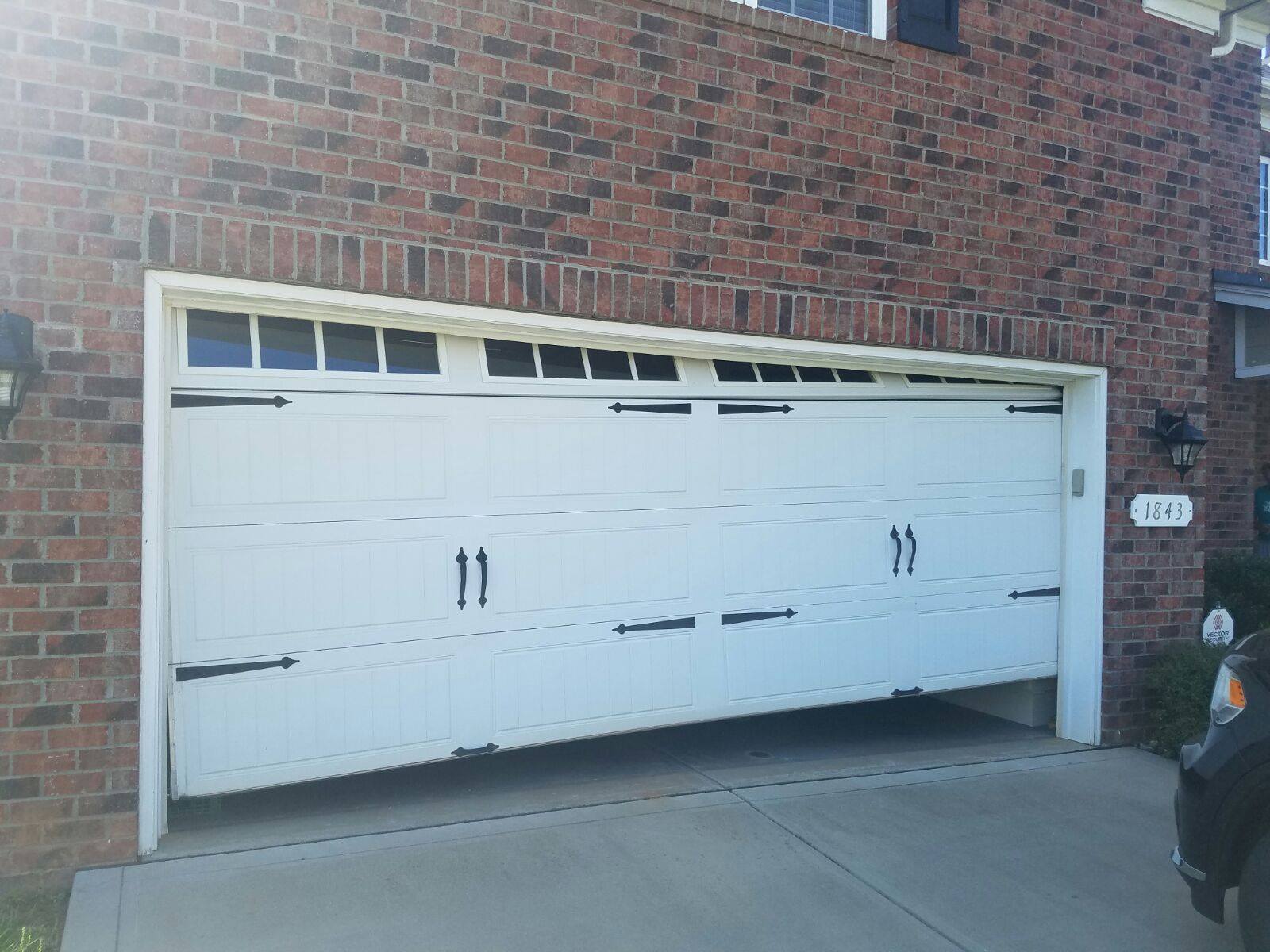
- If the door is jammed, crooked, or off-track, stop and call emergency services—forcing it can cause damage or injury.
- Never touch torsion springs, bottom brackets, or lift cables—these parts are under high tension.
- If the door is too heavy to lift easily by hand, do not muscle it; the counterbalance spring may be broken and needs professional garage door opener repair.
Using the emergency release (manual operation)
- Ensure the door is fully closed
If the door is open, brace it with helpers before pulling the release. A partially open, unbalanced door can fall quickly. - Pull the red emergency release cord straight down
This disconnects the trolley from the opener carriage. You should feel it click into manual mode. - Lift the door by hand using the handle
A properly balanced door should move smoothly and feel manageable. Guide it to fully open if you need to exit, or keep it fully closed for security. - To close and secure
Lower the door slowly to the floor. Engage any manual slide lock (if equipped). If you must leave the door partially open for ventilation, block it with sturdy stops and never rely on small objects to “prop” the door.
Pro tip: If lifting or lowering feels rough, the door may be binding in the track or out of balance. Schedule opener maintenance to prevent future emergencies.
Reconnecting after power returns (re-engaging the trolley)
- Make sure the door is in the desired position
Typically, set it fully closed. - Pull the red release cord toward the opener (or away, depending on model)
This resets the latch to the engaged position. Some openers auto-reconnect the next time you run them. - Run the opener once
Press the wall button or remote. The trolley should grab the carriage and move the door normally. - Recalibrate limits if the door won’t fully close or open
Many outages reset travel or force memory. If the door stops short or reverses, you may need a quick adjustment. If you’re unsure, call for garage door opener repair.
Battery backup pros and cons
Pros
- Keeps the door operating during outages, so you can get in and out safely.
- DC motors with battery backup often run smoother and quieter.
- Many systems provide alerts when the battery is low and auto-recharge when power returns.
Cons
- Batteries require replacement every few years.
- Backup is intended for limited cycles during an outage, not continuous operation.
- Older openers may not support add-on batteries—an upgrade is the cleanest solution.
Best fit
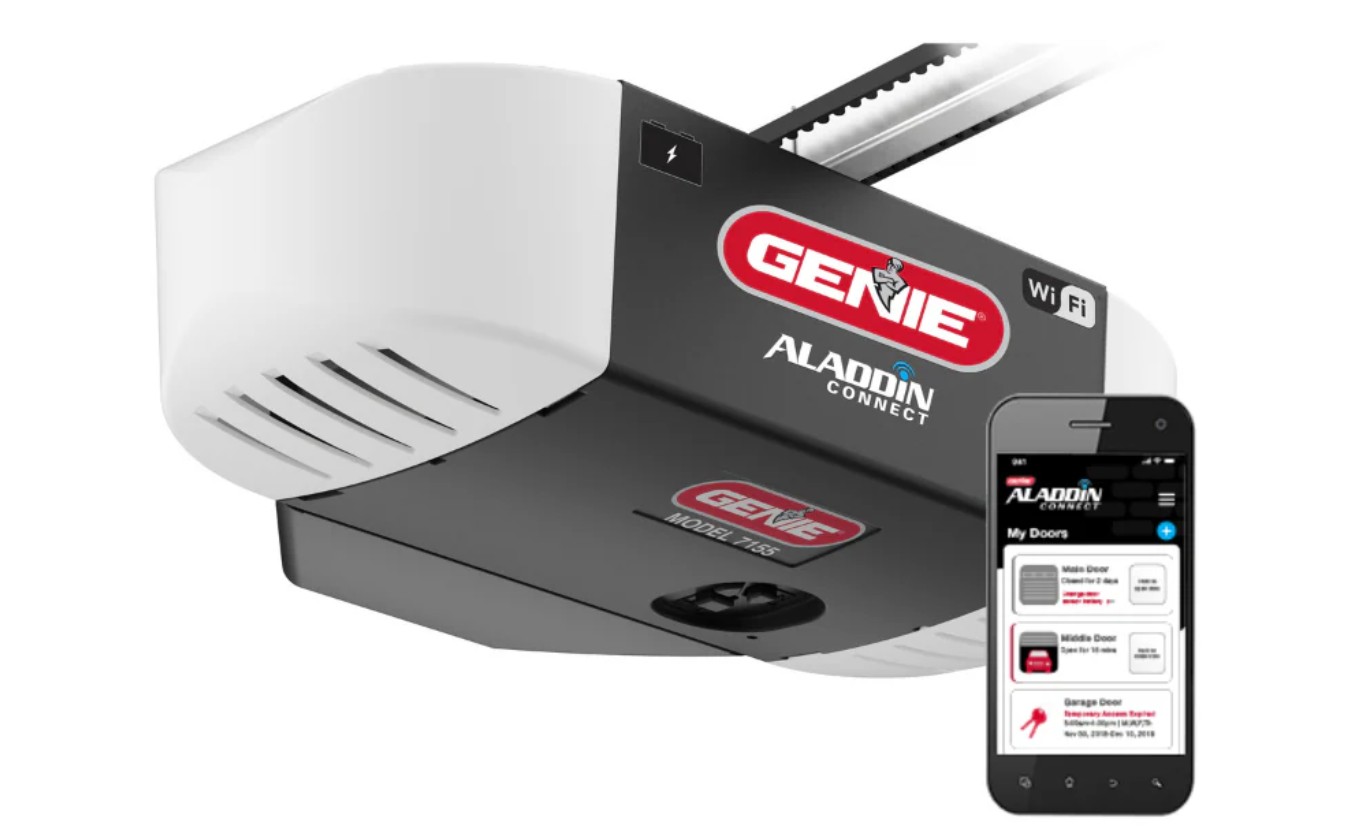
- Attached garages with bedrooms above (quiet DC belt-drive + battery).
- Areas with frequent storms or brief utility flickers.
- Homes with medical or mobility needs that require reliable egress.
Get a model matched to your door and usage via professional opener installation.
Storm-ready maintenance (5-minute checklist)
- Test manual release
With the door closed, pull the cord, lift a foot by hand, then re-engage. If it’s hard to move, book opener maintenance. - Lubricate moving parts
A light garage-rated silicone or lithium spray on hinges, roller bearings, and springs reduces strain during hot, humid weather. - Inspect rollers and tracks
Replace cracked or wobbly rollers; wipe debris from tracks. Do not grease the track surface. - Check weather seals
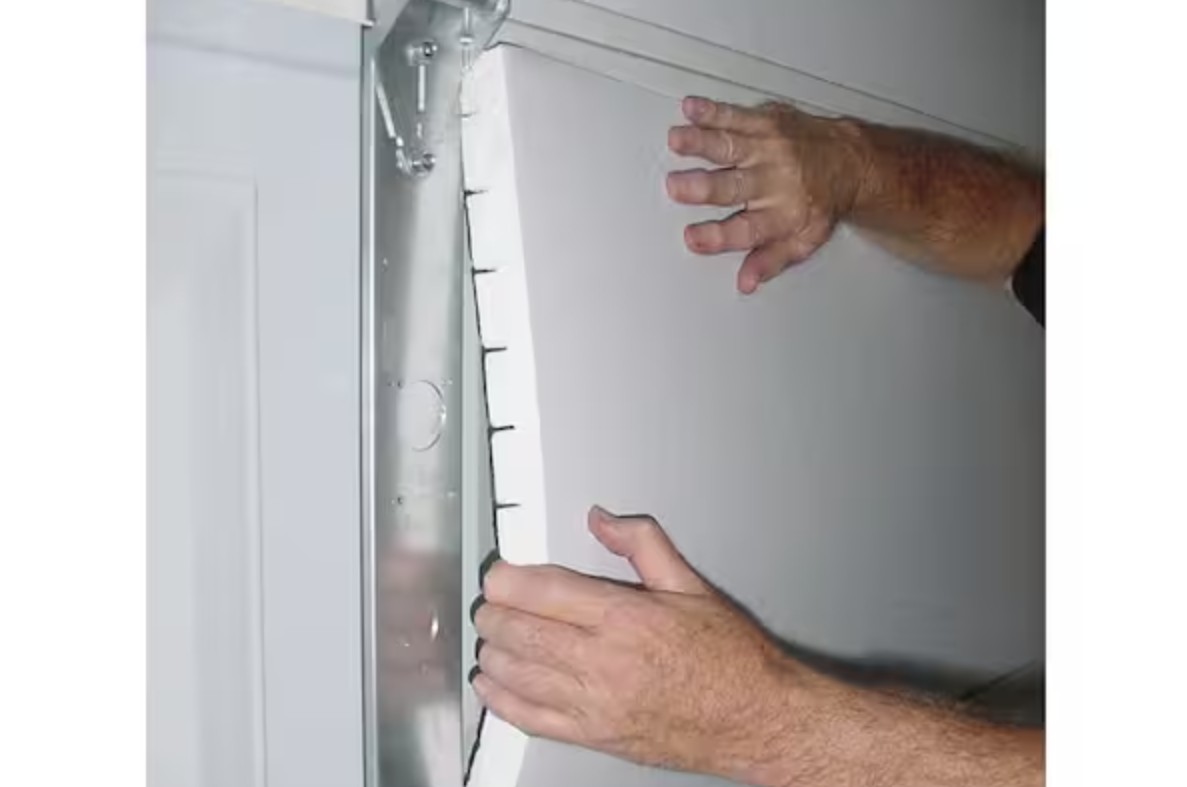
A fresh bottom seal and snug side/top seals keep wind-driven rain out and reduce rattling. - Sensor alignment
Clean lenses and confirm both LEDs are solid. Misalignment can cause nuisance reversals after power returns. - Surge protection
Plug the opener into a quality surge suppressor to protect the logic board during lightning and grid spikes. - Battery health
If you have a backup, press the test button monthly. Replace batteries that fail or are older than the recommended life.
What to do if the door won’t move after an outage
- The opener hums but doesn’t lift: The door may be out of balance or the trolley stripped. Try manual mode; if it’s heavy, call garage door opener repair.
- Door starts down then reverses: Re-align sensors and recheck travel/force limits. If issues persist, schedule emergency services.
- Remote/keypad dead: Replace batteries and re-sync. If still unresponsive, a surge may have affected the receiver—book service.
- Crooked or off-track door: Stop immediately and contact emergency services.
A power outage is the moment you discover whether your system is ready. Practicing the emergency release, keeping hardware tuned, and adding a battery backup can turn a stressful situation into a safe, simple routine. If you’d like, we can inspect your setup, tune the door, and recommend a quiet, outage-ready upgrade tailored to your home. Start with garage door opener repair, schedule preventative opener maintenance, or get a quote for modern opener installation.