What to Do When Your Garage Door Won’t Close
A garage door that refuses to close is frustrating—and a security risk. The good news: most “won’t close” issues trace to sensors, travel/force settings, wiring, or a simple obstruction. Use this step-by-step guide to diagnose quickly, fix what’s safe to DIY, and know when to call the pros. If you need help right away, start a service request on garage door repair or get targeted diagnostics on garage door opener repair.
Quick Safety Rules Before You Troubleshoot
Keep people, pets, and vehicles clear of the door path. Don’t bypass safety systems or force the door down—damage and injury can result. Never adjust torsion springs or lift cables yourself; if the door is heavy to move by hand or looks crooked, pause and schedule garage door repair.
Check the Obvious: Obstructions and Locks
Look for items in the track area—brooms, toys, screws, gravel, dried sealant, or ice on the threshold. Make sure any manual slide lock on the door is disengaged. Clear debris with a dry cloth and vacuum; do not grease the tracks. If the door still won’t close, continue below or book garage door maintenance for a tune-up.
Photo-Eye Sensors Causing Garage Door Not Closing
The most common culprit is misaligned or dirty safety sensors.
• Clean the sensor lenses gently with a soft cloth.
• Verify both sensor LEDs are solid (not flickering). Adjust until they shine steadily.
• Ensure sensors are 4–6 inches above the floor and aimed directly at each other.
• Shield from low afternoon sun with slight angling or a simple sun shield.
If sensors stay finicky or the wires are loose/brittle, schedule garage door opener repair.
Travel Limits and Force Settings Stopping the Door
Your opener “learns” where the floor is and how much resistance is safe. If limits/force drift, the door may stop early or reverse.
• Find the limit and force adjustments on your opener (refer to your manual).
• Increase down travel in small increments so the bottom seal compresses slightly—not excessively.
• Recalibrate down force sparingly; too much force is unsafe.
• Perform the 2×4 safety reversal test: place a flat 2×4 under the door; it must reverse on contact.
If adjustments don’t hold, the door may be out of balance. Book garage door repair to restore safe calibration.
Weather, Thresholds, and Bottom Seal Issues
If the door sticks at the final inch:
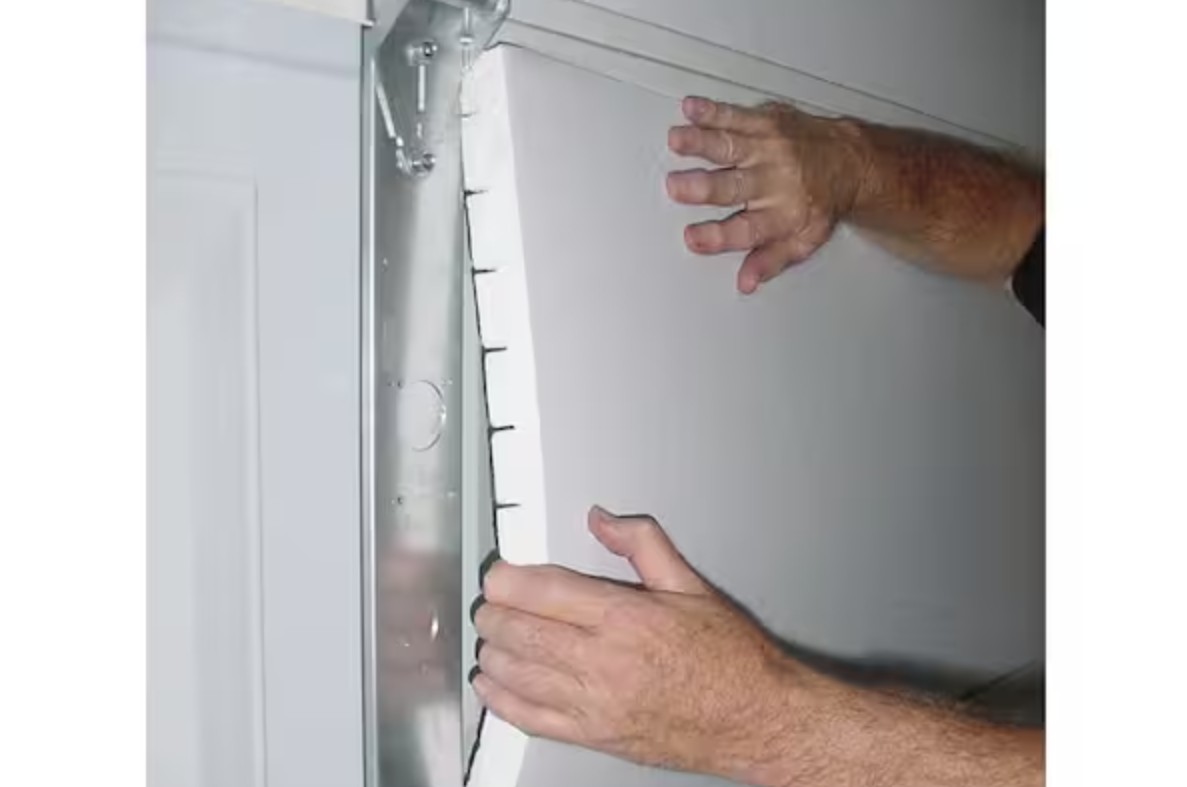
• Inspect the bottom seal for tears or a stiff, flattened profile.
• Check for ice, swollen thresholds, or raised concrete lips.
• Replace the bottom seal and perimeter weatherstripping as needed.
These simple fixes improve security, comfort, and noise control—ask during your next garage door maintenance visit.
Track, Roller, and Hinge Problems Blocking Closure
Bent tracks, loose brackets, or worn rollers can bind the door.
• Inspect tracks for kinks, screws protruding into the channel, or shiny rub marks.
• Lightly tighten loose fasteners on track brackets and hinges.
• Lubricate hinge knuckles and roller bearings with a garage-rated silicone or lithium spray (avoid the track surface).
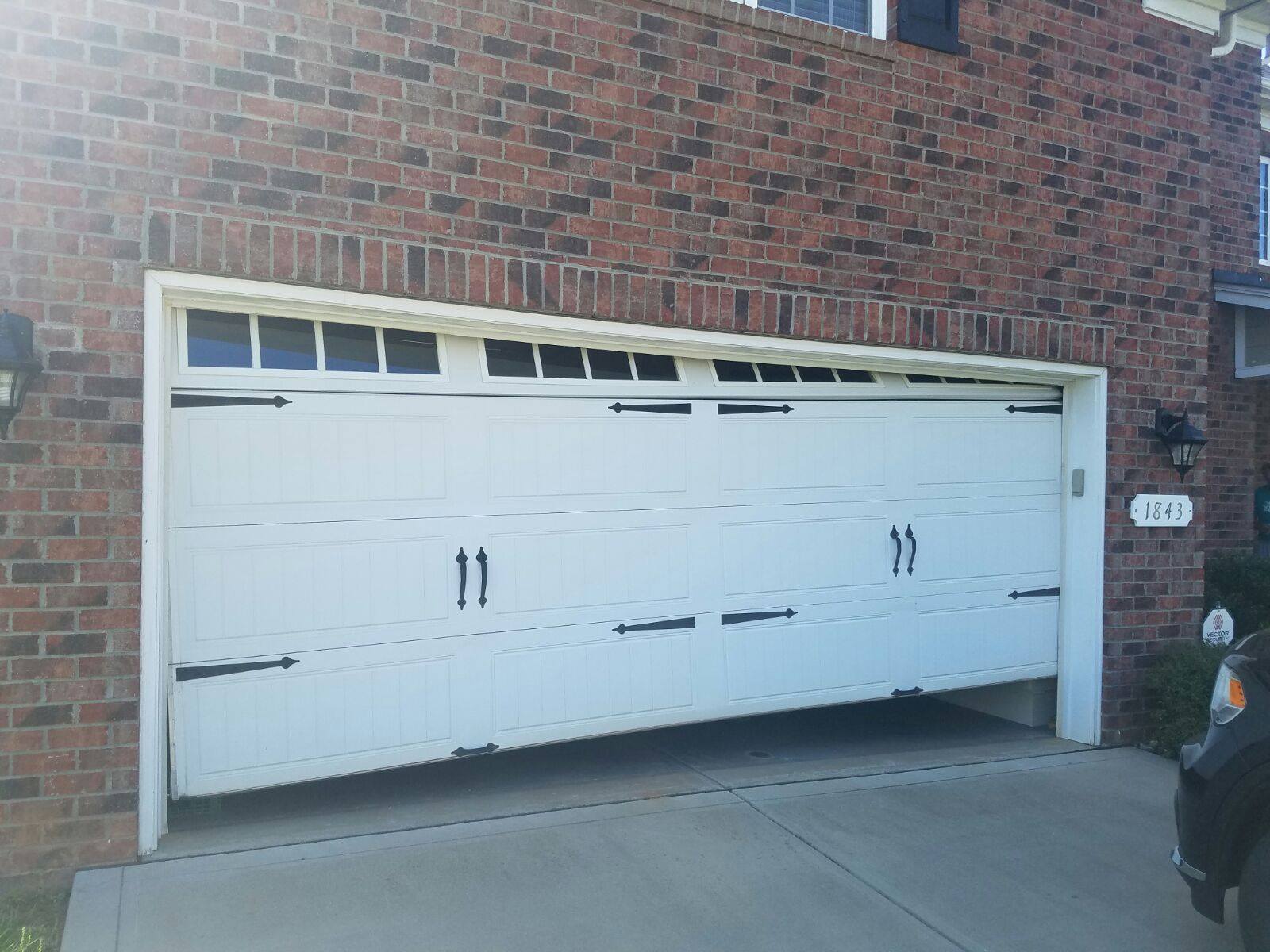
If the door runs crooked, pops, or grinds, stop and call for garage door repair. A door off-track can fall.
Keypad, Remote, and Car Transmitter Glitches
Sometimes the opener is fine, but controls are not.
• Replace keypad/remote batteries.
• Try the wall button; if it works but remotes don’t, reprogram or clear and re-add devices.
• Remove stuck buttons (a jammed keypad can constantly signal “stop”).
If connectivity is inconsistent, we can diagnose receivers and rewiring on garage door opener repair.
Wiring Faults and Logic Board Issues
If the door won’t close even with sensors aligned and limits set, low-voltage control wiring or the opener’s logic board may be at fault.
• Inspect visible low-voltage wires for staple punctures or pet damage.
• Temporarily disconnect the wall button wires at the opener to test if a short is triggering a stop.
If problems persist, you may need board repair or a modern replacement. Compare options on garage door opener repair or consider a quiet, reliable upgrade via garage door installation.
Balance Matters: Heavy Doors Won’t Close Reliably
Disconnect the opener (red emergency release) with the door down and lift by hand to waist height. The door should stay put.
• Drops = springs are weak/broken; opener strain will cause stoppages.
• Shoots up = over-sprung; also unsafe.
Either condition requires professional spring work. Don’t operate until a tech completes garage door repair.
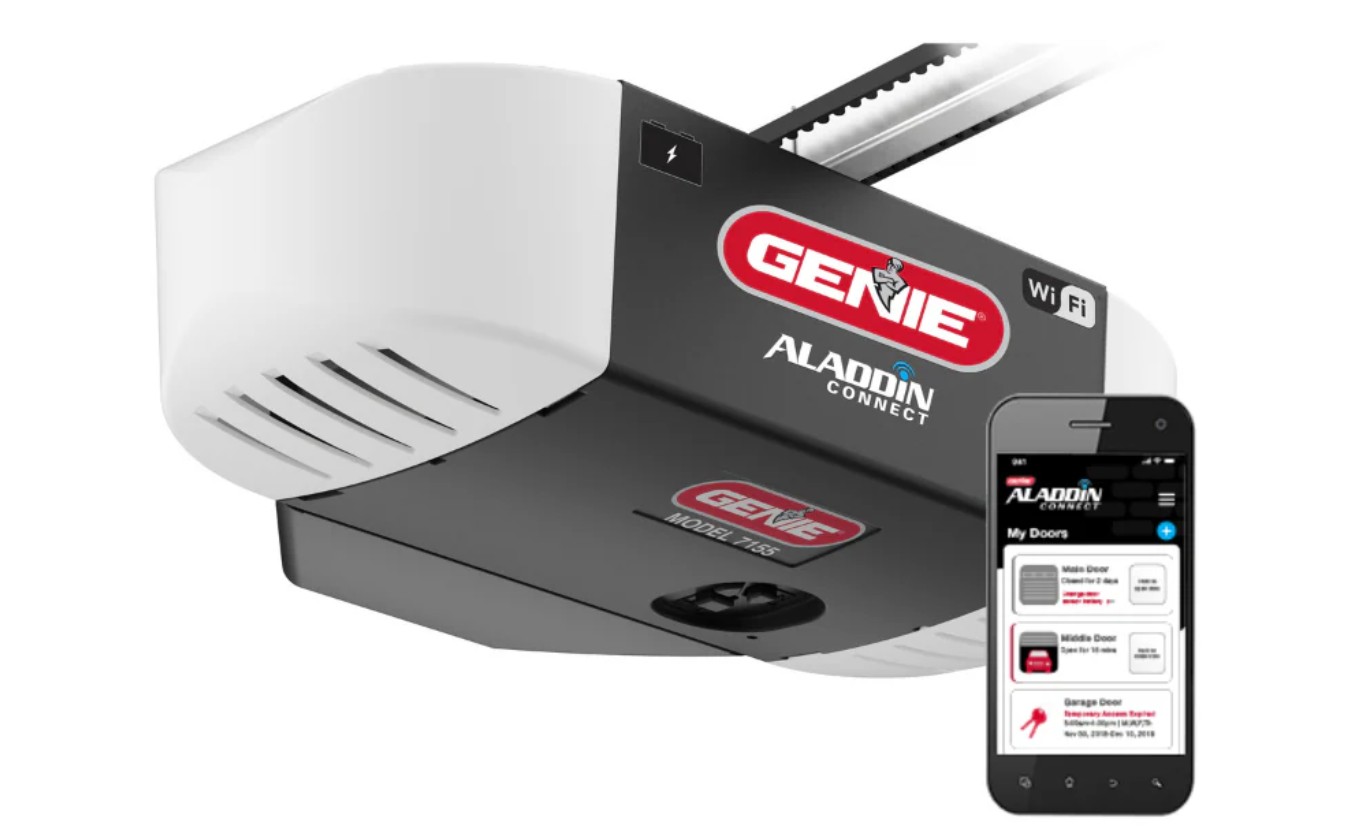
Smart Openers, Apps, and Wi-Fi Settings
With Wi-Fi openers, app rules can block closing.
• Check for schedules, vacation modes, or “close inhibit” automations.
• Reconnect Wi-Fi and update firmware.
• Review user access—remove old devices and ensure notifications are on.
If software constantly drops or features are missing, it may be time to upgrade. Explore modern, secure options on garage door installation.
When to Stop Troubleshooting and Call a Pro
Stop DIY and schedule service if you notice:
• Broken or stretched springs, frayed cables, door off-track, or a heavy door you can’t lift easily
• Repeated reversals despite clean/aligned sensors and correct limits
• Burnt-electronics smell, visible board damage, or surge after a storm
For fast help, start with garage door repair or targeted garage door opener repair.
Preventive Maintenance to Keep Your Door Closing Smoothly
A brief tune-up once or twice a year prevents most closing failures.
• Lubricate rollers, hinges, bearings, and springs every 6–12 months.
• Wipe photo-eye lenses and confirm both LEDs are solid.
• Tighten hardware and verify track plumb/square.
• Replace bottom/perimeter seals if you see light or drafts.
• Re-test safety reversal after any adjustments.
Set up a convenient plan through garage door maintenance.
Repair vs. Replace: When a New System Makes Sense
If your opener is 15–20+ years old, uses legacy dip-switch remotes, lacks battery backup, or needs frequent board/sensor work, replacement can be safer and more economical. Pairing a quiet belt-drive or wall-mount opener with an insulated door delivers smoother travel, fewer reversals, and better security. Explore curated door styles and installation details on garage door installation and consider a full upgrade path on garage door replacement.
Quick DIY Closing Checklist
• Clear tracks/threshold and verify slide lock is off
• Clean and align sensors; LEDs must be solid
• Adjust down travel slightly; confirm 2×4 reversal test
• Replace remote/keypad batteries; try wall button test
• Inspect for obvious wiring damage at sensors/wall button
• Check door balance with manual release (if heavy, stop and call)
If the door still won’t close, we’ll diagnose the root cause and fix it right the first time. Book prompt service on garage door repair or get opener-specific help on garage door opener repair, and keep your system reliable with seasonal garage door maintenance.