Insulation Showdown: Which Garage Door R-Value Is Right for Charlotte Homes?
Charlotte’s summers are hot and humid, winters swing from mild to occasionally frosty, and many households use the garage as the primary daily entry. That mix makes garage door insulation more than a “nice to have.” The right R-value can improve comfort in rooms above/next to the garage, cut street noise, and protect your opener and springs from temperature-driven wear. Below, we compare polystyrene vs. polyurethane construction, explain which R-values make sense for attached garages in the Queen City, and bust a few energy-savings myths along the way. If you’re comparing models right now, browse our overhead garage doors, line up a no-pressure garage door installation quote, or talk through options on garage door replacement.
Why R-value matters
R-value measures thermal resistance. Higher numbers slow heat transfer between outdoors and your garage. In Charlotte’s climate, that matters because:
- The garage buffers air that seeps into adjacent rooms and shared walls.
- Many garages store temperature-sensitive items (finishes, tools, workout gear) and house water heaters or mechanicals.
- Quieter, denser doors reduce vibration and improve daily comfort—especially when bedrooms sit over the garage.
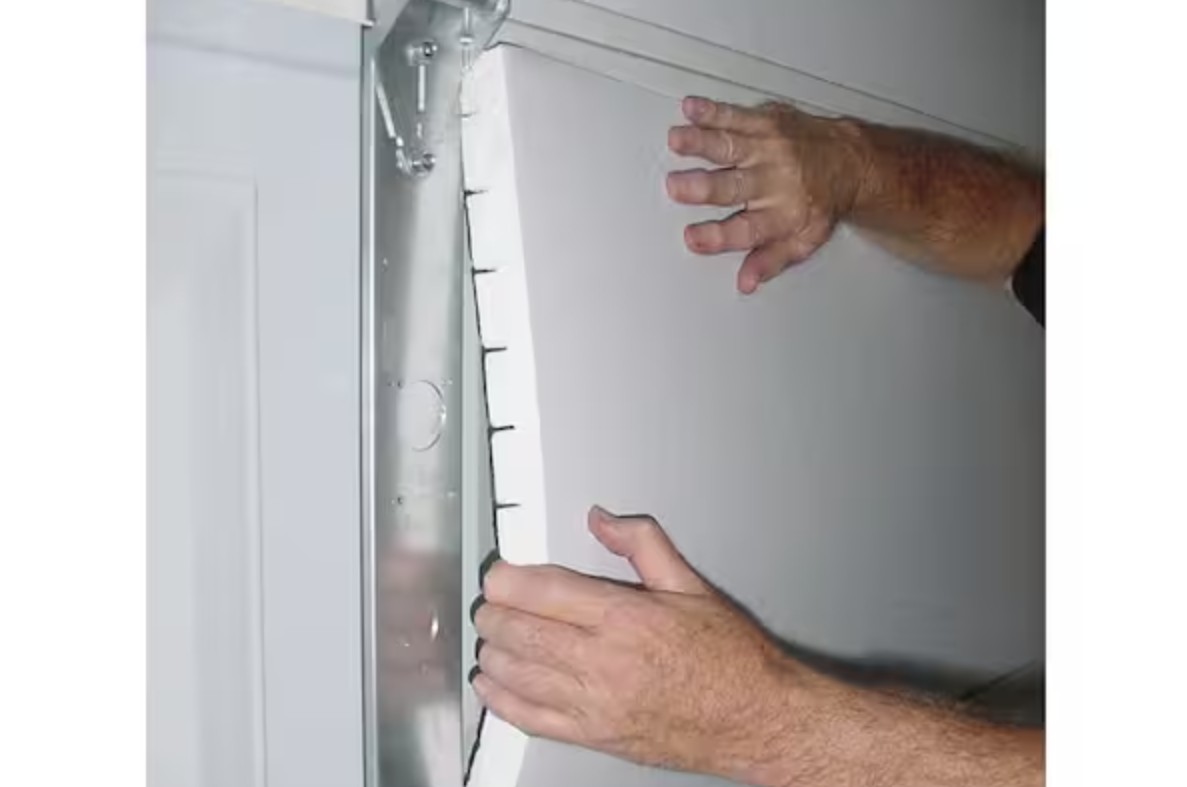
R-value alone isn’t everything; door construction, air sealing, and installation quality determine real-world performance. That’s why we pair insulation with new perimeter weatherstripping, a snug bottom seal, and careful track alignment during garage door installation or a seasonal garage door maintenance tune-up.
Polyurethane vs. polystyrene
Polystyrene (EPS) “board” insulation
- Construction: A rigid panel inserted into a steel door—often a two-layer (steel+insulation) or basic three-layer build.
- Typical R-range: About R-6 to R-9 on standard residential doors.
- Pros: Lower cost, solid improvement over non-insulated doors, decent noise reduction.
- Consider if: You want a budget-friendly comfort boost for a detached garage or lightly used attached garage.
Polyurethane (foamed-in-place) insulation
- Construction: Foam is injected into the door and expands to fill every void, bonding to the steel skins for a rigid “sandwich” panel.
- Typical R-range: About R-10 to R-18+ depending on model and thickness.
- Pros: Higher R-value per inch, superior panel rigidity, noticeably quieter operation, better dent resistance, and less section flex on wide double doors.
- Consider if: The garage is attached, has living space above/adjacent, you park daily, or you value low noise and durability.
Bottom line: If you want the best combination of comfort, quiet, and longevity, polyurethane wins. If you’re optimizing for price while improving comfort, polystyrene is a solid step up from hollow steel.
Best picks for attached garages in Charlotte
For most Charlotte households with an attached garage, we generally recommend:
- Good: Three-layer polystyrene door around R-6 to R-9—a big upgrade from non-insulated, reduces street noise and temperature swings.
- Better: Polyurethane door around R-10 to R-13—great balance of value, quiet, and stiffness; ideal when a bedroom or home office sits over the garage.
- Best: Polyurethane door R-15 to R-18+—maximum comfort and noise control, excellent for families using the garage as the primary entrance and for workshops/home gyms.
Have a detached garage? You can choose lower R-values without sacrificing interior comfort—but if you run a shop, gym, or EV charging setup inside, polyurethane still pays dividends. Not sure where your home fits? We’ll size the opening, review usage, and price multiple tiers on garage door replacement.
Noise and durability gains you’ll feel
Insulation isn’t just about heat—it changes how the door sounds and wears.
- Quieter operation: Insulated “sandwich” sections damp vibration. Pairing polyurethane cores with nylon rollers and a belt-drive opener yields whisper-quiet travel, perfect under bedrooms.
- Stiffer, stronger panels: Polyurethane bonds the skins, reducing flex and oil-canning on wide double doors; panels track straighter, which helps rollers, hinges, and openers last longer.
- Better hardware life: A more stable garage temperature keeps lubricants from thinning in summer and stiffening in winter, reducing strain on springs and gears. Keep those gains with seasonal garage door maintenance.
Energy savings myths (and the real story)
Myth 1: High R-value will slash whole-home energy bills.
Reality: The garage is usually outside the home’s thermal envelope. Expect localized comfort improvements (bonus rooms, utility spaces, shared walls) and less temperature shock—not a massive utility bill drop by itself.
Myth 2: R-value is the only number that matters.
Reality: Air leakage and installation quality matter as much. A perfectly installed R-10 polyurethane door with great seals can outperform a leaky, poorly fitted higher-R door. That’s why our installs include new seals and a final balance/track alignment on garage door installation.
Myth 3: Insulation makes doors “heavy” and hard on openers.
Reality: Proper spring sizing balances any added weight. In fact, the stiffer, quieter travel can reduce wear on the opener compared to a rattly uninsulated panel.
Myth 4: You can’t get premium looks with insulated doors.
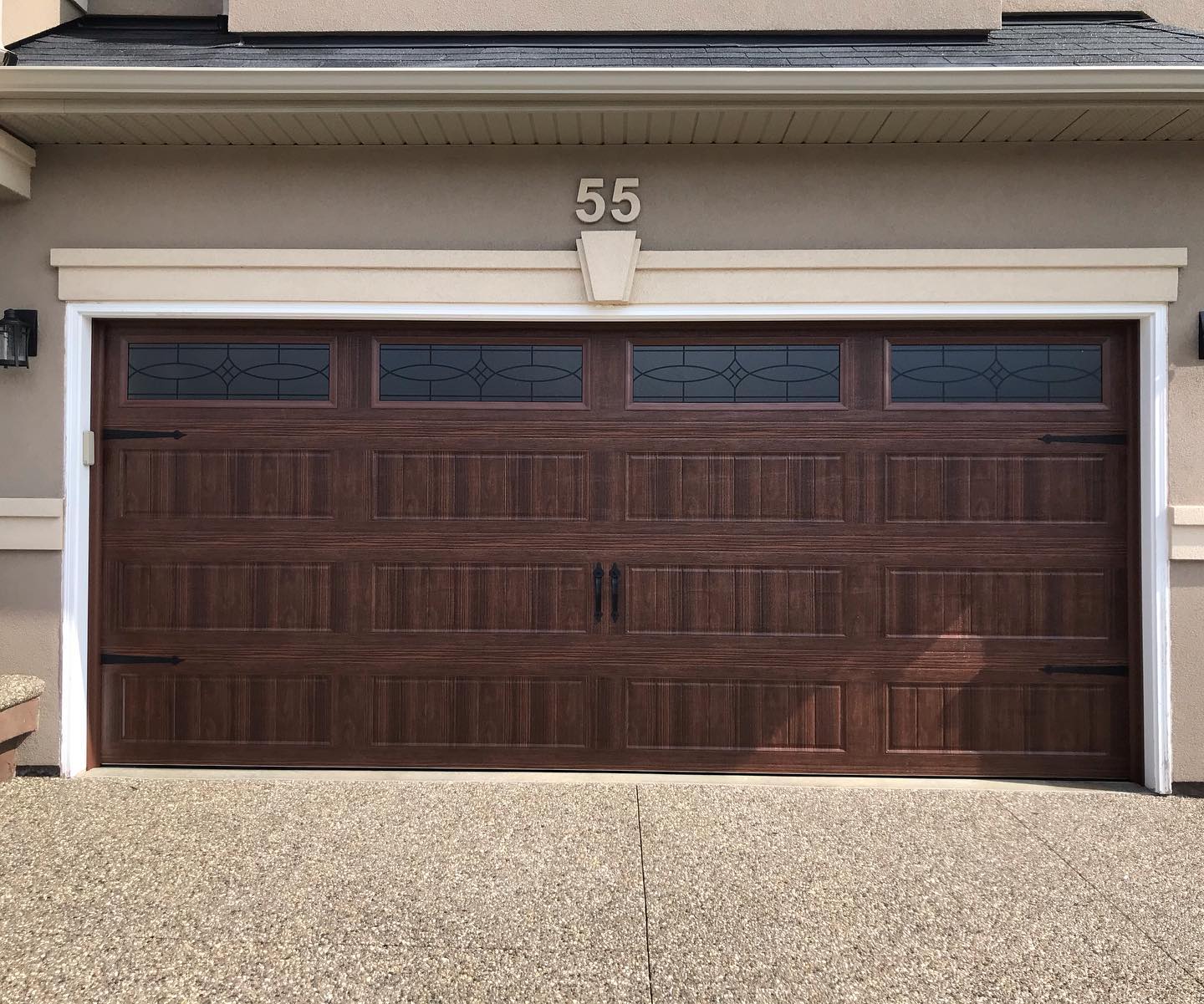
Reality: Today’s insulated doors come in carriage-house overlays, modern flush, full-view windows, and wood-look steel finishes—most styles you’ve admired on new builds are insulated.
When a new door pays off
Consider upgrading when:
- You have living space over/next to the garage. Comfort and noise gains are immediate.
- Your current door is dented, loud, or drafty. The combination of insulation, new seals, and better hardware solves multiple pain points at once.
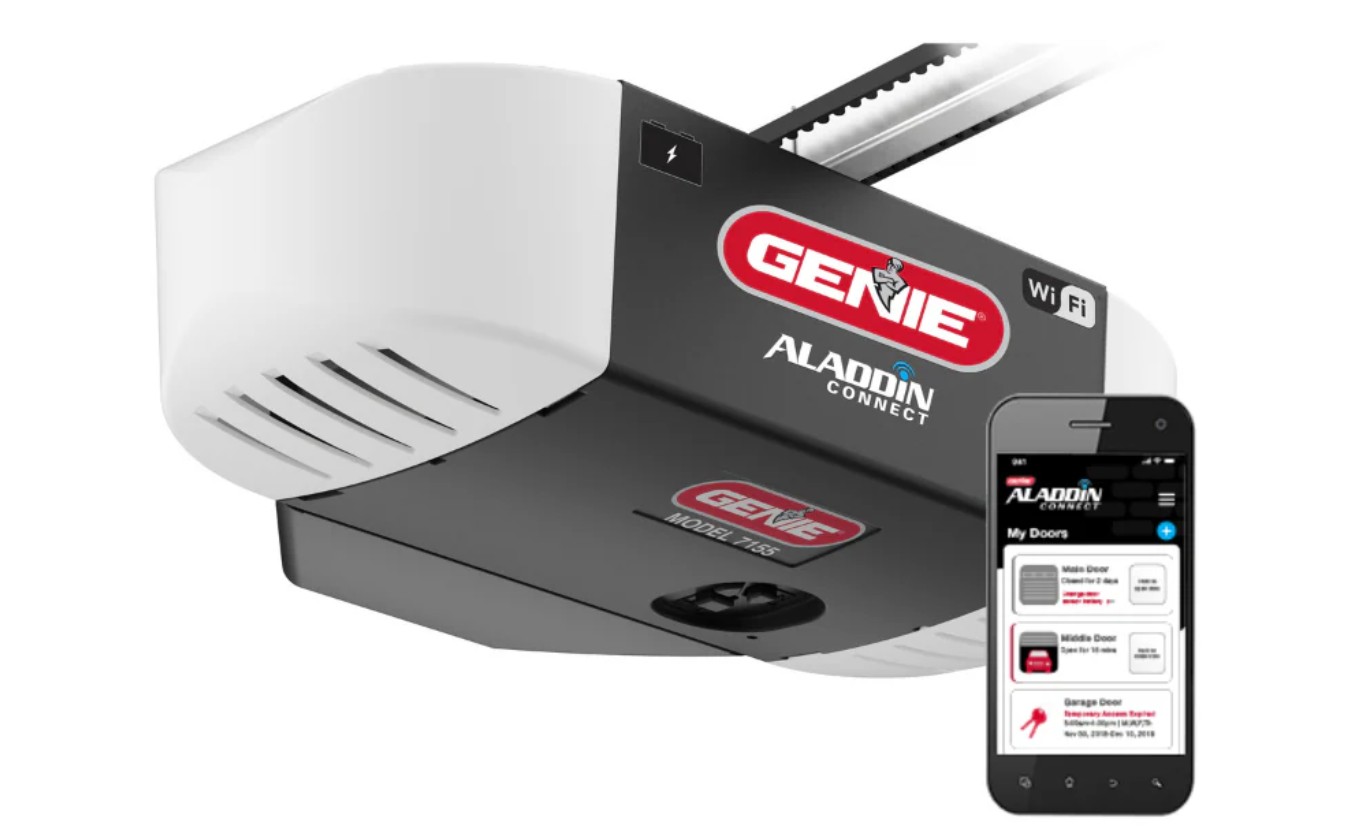
- You’re replacing the opener. Bundling a quiet belt-drive or wall-mount opener with an insulated door maximizes noise reduction and typically lowers labor cost overall.
- You’re prepping to sell. A fresh, insulated door is a top curb-appeal upgrade that signals quality to buyers.
We’ll show multiple styles and R-tiers with transparent pricing on garage door replacement and handle everything—from removal and haul-away to balanced springs, tuned tracks, and sealed perimeters during garage door installation.
Quick selection guide for Charlotte homes
- Attached garage, bedrooms above, street noise: Polyurethane R-13 to R-18+
- Attached garage, mixed use, budget-minded: Polystyrene or entry-level polyurethane R-6 to R-13
- Detached garage, occasional use: Polystyrene R-6 to R-9
- Workshop, gym, or EV charging in garage: Polyurethane R-13+, add high-performance seals
Still deciding? We can assess your opening, sunlight orientation, street exposure, and usage to recommend a just-right configuration. Explore designs and construction details on overhead garage doors, request a tailored quote for garage door installation, or schedule seasonal care to keep any insulated door performing like new with garage door maintenance.